 Jason Zook
Founder of Teachery 👋. I like dabbling in online business projects 👨💻 and am trying to stay curious and open 🤩 to new ideas!
Table of Contents
- From Idea to Action: Planning Your Course Strategy
- Validating Your Course Idea
- Developing a Curriculum That Converts
- Market Research and Profit Potential
- Crafting Content That Keeps Students Engaged
- Designing Digestible Modules
- Creating Compelling Learning Objectives
- Catering to Different Learning Styles
- Maintaining Student Momentum
- Choosing Tools That Actually Serve Your Goals
- The Core of Your Course: The Learning Management System (LMS)
- Essential Production Tools for High-Quality Courses
- Budget-Friendly Alternatives and Smart Investments
- Creating Materials That Drive Real Learning
- Engaging Video Content: Beyond Talking Heads
- Interactive Elements: Reinforcing Concepts and Boosting Engagement
- Crafting Assessments that Actually Matter
- Multimedia and Accessibility: Catering to Diverse Needs
- Pricing and Positioning for Profitability
- Understanding Your Target Audience and Competition
- Developing a Compelling Value Proposition
- Pricing Strategies and Tiered Offerings
- Using Social Proof and Marketing Techniques
- Building Authority and Maintaining Enrollment
- Launching and Scaling Without Burning Out
- Building Momentum Post-Launch
- Gathering and Implementing Student Feedback
- Scaling Your Impact While Maintaining Quality
- Creating Additional Revenue Streams

Do not index
Do not index
From Idea to Action: Planning Your Course Strategy
Building an online course takes time and careful planning. While many new course creators want to dive straight into making content, taking time to develop a solid strategy first makes a huge difference.
Research shows that experienced course creators typically spend at least three months developing their courses. This investment of time highlights why proper planning matters when creating an online course.
Validating Your Course Idea
Testing your course concept before going all-in is essential. You'll want to confirm there's real demand and that your course will actually help solve people's problems.
Start by getting clear on exactly who you want to teach.
- What specific challenges do they face?
- How will your course help them overcome those challenges?
For instance, if you teach social media marketing, you might focus on helping small business owners who struggle to build an engaged following and convert followers into customers.
Take time to study other courses in your field too.
- What topics do they cover?
- Where do they fall short?
Looking at existing courses helps you spot gaps you can fill and ways to make your course stand out. Perhaps you'll zero in on an underserved segment of your market or teach the material in a fresh, more engaging way.
Developing a Curriculum That Converts
The way you structure your course content directly impacts how well students learn and whether they finish the course.
Break your material into clear modules with specific goals for what students will learn. Think of it like building blocks - each module should naturally lead to the next while giving students a sense of progress and achievement.
Mix up your teaching methods to keep students interested. While video lessons are great, also include downloadable worksheets, practice exercises, knowledge checks, and ways for students to connect with each other.
Different people learn differently, so variety helps everyone succeed. Teachery makes it simple to create this kind of rich learning experience - you can easily combine different content types and build a professional-looking course without getting stuck on technical details.
Market Research and Profit Potential
Good market research helps you find a profitable niche for your course. Pay attention to what people are actively searching for and discussing online related to your topic.
Are there busy forums or social media groups focused on what you teach? That's a good sign there's demand.
You'll also need to think through how to price your course. Will you offer one price for everyone, or create different tiers with varying levels of support? Study your target audience to understand what they can afford and what they expect to pay.
The goal is building something sustainable - you need enough students at the right price point to make it worth your time and effort.
Getting clear on these business fundamentals early on sets you up for long-term success.
Crafting Content That Keeps Students Engaged

Creating an engaging online course requires more than just putting together a solid curriculum. The key is developing content that genuinely interests students and motivates them to complete the course.
This means carefully considering how you present information, structure your materials, and keep students invested in their learning journey.
Designing Digestible Modules
Break down your course content into smaller, focused chunks - similar to how a book is divided into chapters. Students can feel overwhelmed when faced with too much information at once. Instead, create concise modules that each teach one clear concept.
For instance, if you're teaching photography, separate modules might cover "Camera Basics," "Composition Techniques," and "Editing Fundamentals." This approach helps students learn at their own pace and feel accomplished as they complete each section.
Creating Compelling Learning Objectives
Start each module by clearly stating what students will learn. Be specific about the skills and knowledge they'll gain - this helps them understand exactly what they're working toward.
When students know what to expect, they're more likely to stay motivated and track their progress.
Think of it like following a map - clear markers along the way help students see how far they've come and what lies ahead.
Catering to Different Learning Styles
Everyone learns differently, so include various types of content in your course. Some students grasp concepts better through videos, while others prefer reading or hands-on practice.
Mix up your teaching methods with video lessons, written guides, practical exercises, and group discussions.
Teachery makes it simple to combine different content types, so you can focus on teaching rather than technical details.
Maintaining Student Momentum
Keep students moving forward by including regular check-ins and practice opportunities.
Add short quizzes, exercises, and discussion prompts throughout your modules to help reinforce learning.
Build a course community through discussion boards or live sessions where students can connect and learn from each other. When students feel connected to their peers and see regular progress, they're more likely to stick with the course. These elements work together to create an effective learning experience that keeps students engaged from start to finish.
Choosing Tools That Actually Serve Your Goals

The success of your online course depends on more than just great content and a solid curriculum.
The tools you select to deliver your course can make or break the experience for both you and your students.
Rather than getting caught up in trending software, focus on finding an online course platform that helps you teach effectively and connect with your students. When you choose the right tools, you can spend less time on technical hassles and more time creating meaningful learning experiences.
The Core of Your Course: The Learning Management System (LMS)
Your LMS serves as the central hub where students access content and interact with the course. The platform you pick shapes how you'll build your course, manage your student community, and measure learning progress.
Different courses have different needs - a small group coaching program might work perfectly with basic features, while a comprehensive certification program could require more advanced capabilities. Take time to evaluate what features matter most for your specific teaching goals.
Teachery offers a great balance of simplicity and capability for many course creators. Its clean, straightforward interface lets you build professional courses without getting stuck in technical details. Since we don't take transaction fees from your sales, you keep more of what you earn. This means you can focus your energy on creating excellent content instead of figuring out complex technology.
Essential Production Tools for High-Quality Courses

Students engage better with well-produced course materials. While you can start with basic equipment like a webcam and microphone, thoughtfully upgrading your production tools can greatly improve the learning experience.
- Video Recording and Editing: Clear video content helps students stay focused and learn better. Tools like Loom, Descript, Camtasia and Adobe Premiere Pro give you options to polish your lessons and create more engaging content.
- Audio Enhancement: Good sound quality is essential - students need to hear you clearly. A simple quality microphone paired with editing software like Adobe Studio or Audacity can make your audio much more professional.
- Visual Aids: Adding visual elements like slides, graphics, and screen recordings helps reinforce key concepts. Canva makes it easy to create appealing visuals even if you're not a designer.
Pick tools that match your skill level and budget, but don't skimp on audio quality and visual clarity - they're crucial for keeping students engaged.
Budget-Friendly Alternatives and Smart Investments
You don't need expensive equipment to create an excellent course. Many free and low-cost tools can produce great results. For instance, DaVinci Resolve offers powerful video editing features at no cost. This lets you create professional-looking content without spending a fortune.
Think carefully about where to invest your resources. If your teaching style relies heavily on clear audio instruction, spending more on a good microphone might make more sense than expensive video software. Focus your budget on the tools that will most improve your students' learning experience. Making smart choices about your course tools sets both you and your students up for success.
Creating Materials That Drive Real Learning
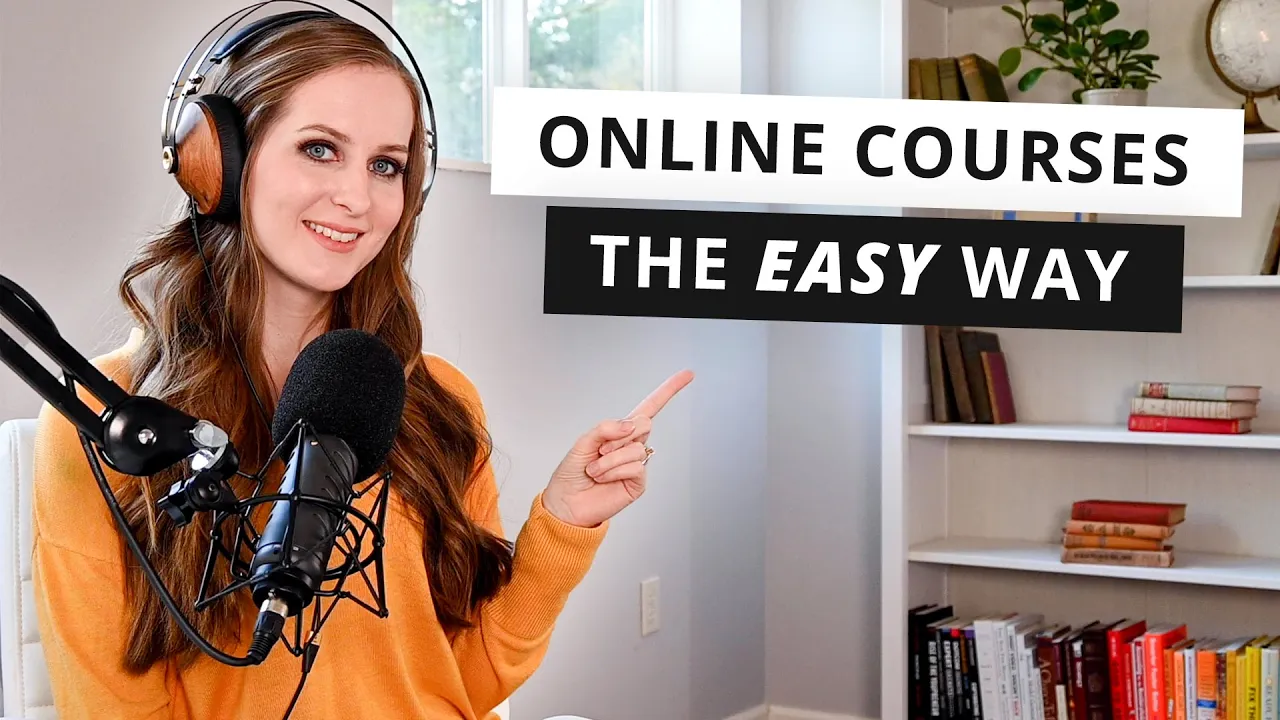
Building an effective online course takes more than just putting information online.
Students need materials that help them truly learn and stay engaged with the content. Let's explore how to create course content that both looks professional and helps students master the material.
Engaging Video Content: Beyond Talking Heads
While video is essential for online courses, simply recording yourself speaking won't create an engaging experience. Mix up your video content with demonstrations, screen recordings, and animated explanations to keep students interested.
For instance, if you're teaching cooking, show the techniques in action rather than just explaining them. This variety helps students stay focused and accommodates different ways of learning.
You don't need expensive equipment, but good video and audio quality make a big difference. Lean into your strengths, don’t try to compete with the quality of established course pros!
Interactive Elements: Reinforcing Concepts and Boosting Engagement
Turn passive watching into active learning by adding interactive components to your course. Include quizzes, worksheets, and exercises that let students practice what they've learned.
Think of your course as a two-way conversation - after teaching a concept, give students a chance to test their understanding.
Platforms like Teachery make it simple to add these elements. This hands-on approach helps students better grasp and remember the material.
Crafting Assessments that Actually Matter
Good assessments do more than just test knowledge - they help students learn. Include both quick checks (like short quizzes) throughout your modules and larger projects at key points.
These different types of assessments serve different purposes: regular quick checks help students track their progress, while bigger projects show how well they've mastered entire sections. The best assessments give students helpful feedback about what they understand well and where they need more practice.
Multimedia and Accessibility: Catering to Diverse Needs
Add images, infographics, and audio thoughtfully to support your main content without overwhelming students. These elements can make complex ideas clearer and help students who learn better through visual or audio content. Make sure to include captions for videos and transcripts for audio recordings so all students can access the material. This attention to accessibility ensures every student gets the most from your course, regardless of how they learn best.
Pricing and Positioning for Profitability

Setting the right price for your online course is just as important as creating great content. Your pricing strategy needs to balance what your target students can afford with what you need to earn to make the course worthwhile.
Let's explore how to find that sweet spot and position your course for success.
Understanding Your Target Audience and Competition
Start by getting to know your potential students inside and out. What specific problems are they trying to solve? How much are they willing to spend on education?
For instance, working professionals often have more budget flexibility than college students. Take time to study other courses in your field too - not to copy them, but to spot gaps you can fill.
If most competitors offer basic introductory material, you might find success with an advanced deep-dive course at a premium price point.
Developing a Compelling Value Proposition
Your value proposition answers the key question: "Why should someone choose your course?" Focus on concrete benefits students will gain, not just features.
For example, rather than just listing "10 video modules," emphasize how students will master specific skills they can apply right away. If your course helps freelancers land better clients and raise their rates, showcase exactly how much more they could earn.
This clear connection between price and results makes your course more appealing.
Pricing Strategies and Tiered Offerings
Consider offering different pricing tiers to serve various student needs. A basic tier might include just the core course content, while higher tiers add valuable extras like direct feedback or group coaching calls.
Think carefully about what to include in each tier - the goal is creating genuine value at each price point, not just arbitrary differences.
Using Social Proof and Marketing Techniques
Nothing sells a course better than happy student success stories. Collect and share specific testimonials about results students have achieved. Include real numbers and concrete outcomes when possible. Write course descriptions that paint a clear picture of what students will learn and how it will help them.
Early bird discounts or special launch pricing can help get those crucial first students enrolled, but be careful not to discount so heavily that it devalues your course.
Building Authority and Maintaining Enrollment
Establish yourself as a trusted expert by consistently sharing helpful content related to your course topic. Write blog posts answering common questions, host free workshops, or create short tutorial videos.
This ongoing presence keeps you connected with potential students and helps them see the value you provide. A steady stream of useful free content builds trust and can lead to more course enrollments over time. Remember that selling your course is an ongoing process, not just a one-time launch event.
Launching and Scaling Without Burning Out

Getting your online course launched is exciting, but it's only the first step. To turn your course into a successful ongoing business, you need a clear plan for growth that won't leave you exhausted.
This means finding smart ways to attract new students, support your current ones, and expand your impact while maintaining balance. Let's explore practical strategies to help you build momentum, improve your course based on feedback, and grow sustainably.
Building Momentum Post-Launch
Once the initial launch buzz fades, keeping the energy going is essential. Stay connected with your audience through regular blog posts, social media updates, and emails that provide real value.
For example, if you teach photography, share quick editing tips, behind-the-scenes looks at your process, or commentary on new camera gear.
This natural approach to sharing your expertise keeps current students engaged while attracting new ones. More importantly, it helps create a genuine community around your course where students feel connected to you and each other.
Gathering and Implementing Student Feedback
Your students' input is pure gold for making your course better over time. Make it easy for them to share their thoughts through simple surveys, feedback forms, or direct messages.
When students tell you what's working and what isn't, take action on their suggestions. If several people mention they're stuck on a particular lesson, consider adding extra examples or breaking down the concepts differently.
This back-and-forth with your students shows you care about their success and helps build lasting trust.
Scaling Your Impact While Maintaining Quality
As your student numbers grow, you'll need smart systems to handle the increased workload.
Tools like Zapier can help automate routine tasks like welcome emails or assignment reminders. You might also bring on team members to help with student support or content creation.
Just remember - even as you grow, keep that personal connection with your students.
Simple touches like monthly live Q&A sessions or thoughtful feedback on key assignments help maintain the quality and community feel that made your course special in the first place.
Creating Additional Revenue Streams
Once your main course is running smoothly, look for natural ways to expand what you offer. This might mean creating in-depth workshops on specific topics, helpful workbooks, or offering one-on-one coaching sessions for students who want extra support.
Teachery makes it simple to set up different pricing options and manage access to various materials. By thoughtfully adding new offerings that truly serve your students' needs, you can build multiple income streams while staying focused on what you do best - helping your students succeed.
Ready to create and sell your online course with ease and keep all of your revenue? Teachery is the platform for you. Start your free trial today! Mention “Teachery Academy” and we’ll give you an extra TWO free weeks on your trial!
Written by
Jason Zook
Founder of Teachery 👋. I like dabbling in online business projects 👨💻 and am trying to stay curious and open 🤩 to new ideas!