 Jason Zook
Founder of Teachery 👋. I like dabbling in online business projects 👨💻 and am trying to stay curious and open 🤩 to new ideas!
Table of Contents
- Understanding Online Courses Trends
- The Rise of the Online Learner
- The Financial Potential of Online Courses
- Adapting to the Evolving Learning Experience
- Crafting Your Winning Course Topic
- Validating Your Course Idea
- Understanding Your Ideal Student
- Positioning Your Course in a Competitive Niche
- Designing Engaging Learning Experiences
- Structuring Your Course Content for Optimal Flow
- Creating Professional-Quality Video Content
- Incorporating Interactive Elements to Enhance Learning
- Building Your Course Production System
- Choosing the Right Platform and Tools
- Recording and Editing Your Content
- Hosting and Delivery
- Balancing Quality with Scalability
- Planning for Growth
- Creating Community-Driven Learning
- Fostering Meaningful Student Interactions
- Implementing Effective Feedback Systems
- Creating Supportive Learning Environments
- Marketing Your Course for Sustainable Growth
- Building Anticipation and Driving Early Enrollment
- Attracting Your Ideal Students Through Targeted Marketing
- Maintaining Momentum After Launch Day
- Exploring Multiple Revenue Streams and Building Your Brand

Do not index
Do not index
Understanding Online Courses Trends
The way people learn and develop skills has fundamentally changed with the rise of online education. What started as a small movement has grown into a major force that's reshaping how knowledge is shared and acquired.
Getting a clear picture of this landscape is essential for anyone who wants to create an online course that connects with students.
The Rise of the Online Learner
The numbers tell a compelling story about online learning's growing popularity. Back in 2011, only 300,000 people were taking courses on course platforms. Fast forward to 2021, and that number exploded to 220 million learners. Take Udemy for instance - they now serve 69 million students across more than 210,000 courses.
This massive growth isn't just about convenience. Students are discovering that online courses can deliver real results and fit into their busy lives. In fact, Udemy Business saw learning hours for technical skills jump by 49% in 2023, showing just how much people value practical, career-focused education.
The Financial Potential of Online Courses
Course creators are finding real success in this growing market. On Kajabi, instructors have earned an impressive $6 billion (!) from their courses. Meanwhile, creators on Thinkific brought in over $340 million in 2023 alone.
These numbers show why more entrepreneurs are learning how to create online courses. And with the creator economy expected to reach $500 billion by 2027, the opportunities keep growing.
More people are jumping in to share their expertise through online courses, and there's still plenty of room for new voices.
Adapting to the Evolving Learning Experience
Making a great course takes more than just recording some videos and putting them online. Today's students expect an experience that keeps them engaged and meets their specific needs.
It's similar to how restaurants need more than just good food - people want atmosphere, service, and something special about their dining experience. Online learners look for courses with interactive elements, strong community support, and personal attention from instructors.
The most successful course creators build these elements into their programs, leading to better engagement, more students finishing courses, and glowing reviews.
Understanding these changes in online education sets you up to create a course that truly works. When you know what's driving the industry's growth, see the earning potential, and understand what students want, you can build something that stands out. With this foundation in place, you're ready for the next crucial step: picking the perfect topic for your course.
Crafting Your Winning Course Topic
Choosing the right topic is essential when creating an online course that connects with students and meets your objectives.
Beyond just selecting a subject you're knowledgeable about, you need to match your skills with what people actually want to learn. Let's explore how to identify promising opportunities and test your ideas before making a major time investment.

Validating Your Course Idea
A common mistake new course creators make is building content around their interests without checking if there's actual demand. To make sure you're on the right track, consider these key questions:
- What solutions are people actively searching for? Take time to read through forums, social media discussions, and sites like Quora in your field. Notice which questions and challenges come up repeatedly. For instance, if you're teaching photography, you might see many people asking about camera settings or photo editing techniques.
- What does the current market look like? Study existing courses to spot gaps and opportunities. What do other instructors do well? Where do their courses fall short? This research helps you find your unique angle rather than creating another similar course.
- Will people spend money on this? Look for proof that customers buy similar products or services. Check course marketplaces, professional training programs, and coaching services in your niche. If people already pay for related solutions, that's a good sign.
Understanding Your Ideal Student
Success in online education comes from knowing exactly who you're teaching. Just as a good teacher adapts their style to their classroom, you need to shape your course around your students' needs.
- What's their starting point? Some students may be complete newcomers while others have basic knowledge. Knowing this helps you set the right pace and difficulty level.
- What do they want to achieve? Get clear on their end goals. Are they learning for personal interest, career advancement, or to solve specific problems? This shapes how you present your material.
- How do they learn best? Some people prefer watching demonstrations, others learn by doing, and many benefit from a mix of methods. Plan your content to support different learning approaches.
Consider someone creating a course about starting a podcast. Their typical student might be a professional who knows their subject matter but needs step-by-step guidance on recording, editing, and publishing episodes.
Positioning Your Course in a Competitive Niche
To stand out in a busy market, you need more than just good content - you need smart positioning.
- What makes your approach special? Think about your unique background, teaching methods, or specialized knowledge. Maybe you've learned unusual shortcuts or developed better ways to explain complex topics.
- What specific results can you promise? Be clear about what students will gain. Instead of vague benefits, offer concrete outcomes like "Master basic Spanish conversation in 8 weeks" or "Launch your first podcast episode in 30 days."
- How can you fill a specific gap? Look for underserved groups or common pain points that other courses miss. You might focus on beginners who feel overwhelmed, busy professionals who need flexible learning options, or students who want more personal guidance.
By carefully considering these elements - market validation, student needs, and strategic positioning - you set yourself up for success. This groundwork makes the next phase easier: creating engaging lessons that keep students motivated and learning effectively.
Designing Engaging Learning Experiences

Once you've chosen your course topic and defined your target audience, it's time to focus on creating an engaging learning experience that keeps students motivated and helps them absorb the material effectively.
Think of your course like a story - while the topic is your plot, the way you present and structure the content determines how well students connect with and remember what they learn.
Structuring Your Course Content for Optimal Flow
Good course structure guides students naturally through the material, building their knowledge piece by piece. Start by dividing your course into clear modules that each cover a key aspect of your topic.
For instance, if you're teaching photography, you might have separate modules for camera basics, composition, lighting, and post-processing. This logical progression helps students see how concepts connect and build on each other.
Break each module into short, focused lessons that students can complete in 5-15 minutes. Short lessons work well for busy schedules and help prevent students from feeling overwhelmed. This approach matches how many people prefer to learn today - in small, manageable chunks they can fit into their day. Clear transitions between lessons help students understand how each piece fits into the bigger picture.
Creating Professional-Quality Video Content
Video helps you build a personal connection with your students, but the quality matters. Good production values show students you value their time and investment.
Start with the basics - a well-lit space, clear audio, and a clean background make a big difference. You don't need expensive equipment, but paying attention to these details helps create a polished, professional feel.
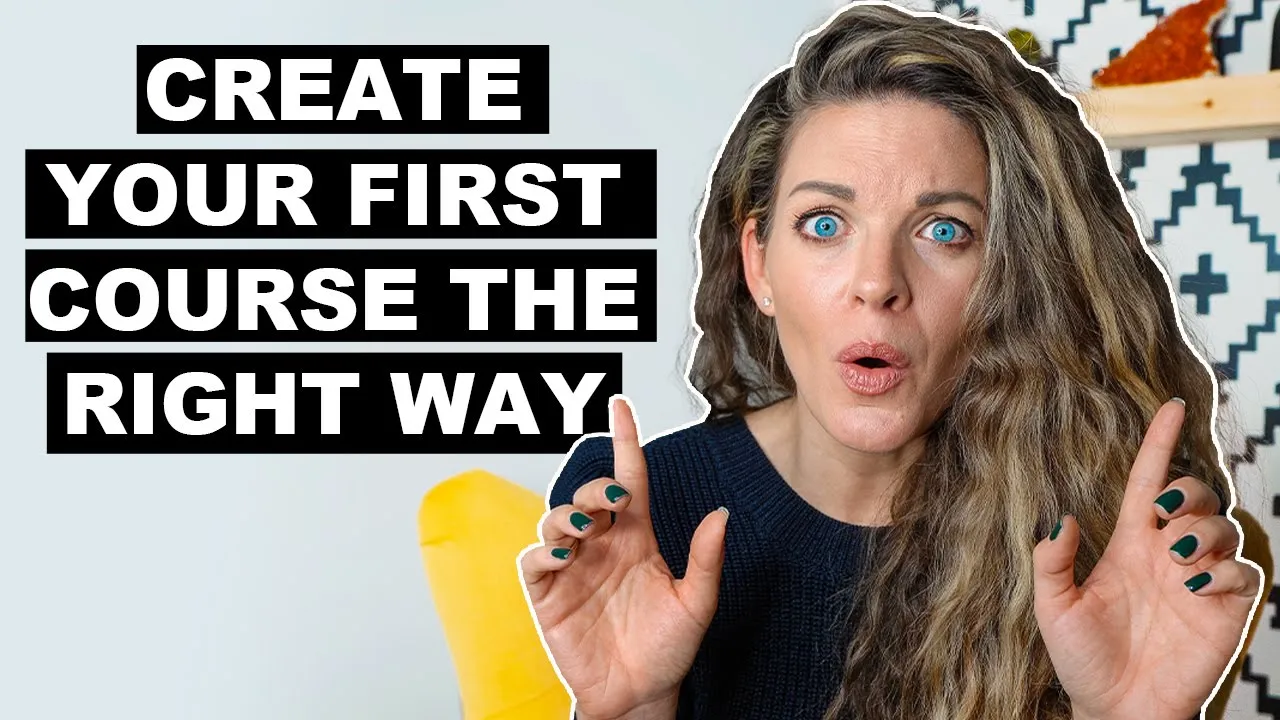
Mix up your video content to keep things interesting. Include screen recordings when demonstrating software, add relevant photos or graphics to illustrate key points, and consider using simple animations to explain complex concepts.
Think about how your favorite teachers kept you engaged - they probably used various teaching methods rather than just lecturing.
Incorporating Interactive Elements to Enhance Learning
Adding interactive elements turns watching into doing. Include regular activities like quizzes, practical assignments, and discussion opportunities to help students apply what they've learned.
Try adding a quick quiz after each module to help students check their understanding. Create assignments that let students practice new skills in real-world situations. Set up discussion spaces where students can share experiences and help each other learn.
For example, in a cooking course, students might share photos of their attempts at new recipes and get feedback from classmates. Course creators often find that these interactive elements boost both completion rates and student satisfaction. When students actively participate, they're more likely to stick with the course and successfully master new skills.
Building Your Course Production System
Behind every successful online course lies a well-organized production system. Having clear processes for creating and managing your course content not only helps you work more efficiently but also provides a better experience for your students.
Think of it like setting up a professional kitchen - with the right setup and workflow, you can consistently deliver quality results while handling increasing demand.
Choosing the Right Platform and Tools
Your course platform forms the backbone of your teaching business. Just as a restaurant needs the right equipment, you need proper tools to create and share your expertise effectively.
For instance, Teachery stands out with its simple, one-time payment model - perfect for creators who want straightforward pricing without recurring fees. Take time to explore each platform's features, pricing, and customization options before making your choice.

Recording and Editing Your Content
Good quality audio and video are essential for keeping students engaged. While professional gear can make your content shine, you don't need to break the bank when starting out.
A decent microphone and basic editing software can help you create clear, engaging lessons. Don’t overdo it, here’s a simple list of what you need:
- RODE Smartlav ($70) clip-on lavalier microphone
- Logitech 1080p Webcam ($40)
- A window to give you natural light (or a $30 ring light)
Then, use tools like Quicktime, Canva, or Loom to record your course videos. The key is focusing on clarity and content quality rather than fancy production effects. When in doubt, avoid all the tech stuff and just use whatever recording stuff you have!

Hosting and Delivery
Your students need reliable access to your course materials at any time. Most course platforms handle content hosting, but it's worth understanding their limitations. Some platforms cap bandwidth or charge extra fees when you exceed certain usage limits. Others include unlimited hosting in their base price.
For example, if you expect to serve many video lessons to hundreds of students, unlimited bandwidth becomes crucial. Planning ahead helps avoid unexpected costs while ensuring smooth access for all your students.
With Teachery, we recommend using Canva to host your course materials AND your course videos! You can do it all with their pro plan and never run out of hosting space.
Balancing Quality with Scalability
As your course grows, maintaining personal connections with more students becomes challenging. Setting up smart systems early helps you scale without losing the human touch.
This includes using email sequences to welcome new students, scheduling regular check-ins, and creating clear communication channels. It's similar to how successful restaurants maintain food quality even during rush hour - good systems let you focus on what matters most while keeping operations running smoothly.
Planning for Growth
Your course production system should grow alongside your business. This means regularly checking what works, gathering student feedback, and making improvements. You might need to try new teaching methods, add different content types, or find better ways to support your community.
Stay open to change while keeping what works well. Remember that creating an online course isn't a one-and-done project - it's an ongoing journey of refinement and improvement to better serve your students.
Creating Community-Driven Learning
The success of an online course depends heavily on the strength of its learning community. When students feel connected and supported, they're more likely to stay engaged and complete the course.
Let's explore practical ways to build an active community that enhances learning and creates lasting value for your students.

Fostering Meaningful Student Interactions
Strong student connections form the foundation of an effective learning community. The data shows that students who regularly interact with peers are far more likely to finish their courses.
Topic-based discussion forums give students a dedicated space to ask questions, share insights, and learn from others' experiences. Live Q&A sessions add another layer of connection, allowing students to get real-time guidance while building relationships with both the instructor and fellow learners.
Implementing Effective Feedback Systems
Good feedback flows in multiple directions. While individual assignment feedback helps students improve, gathering course feedback helps you improve the learning experience over time. Quick module surveys tell you what's working and what needs adjustment.
Peer review activities serve double duty - students learn from evaluating others' work while practicing how to give and receive constructive feedback. This creates a culture of continuous improvement that benefits everyone.
Creating Supportive Learning Environments
The learning environment shapes the student experience as much as the course content does. Clear community guidelines ensure discussions stay respectful and productive. Active moderation and prompt responses to questions show students you're invested in their success.
When students feel supported, they're more comfortable participating and more likely to persist through challenges. This supportive atmosphere mirrors the best aspects of in-person learning while leveraging the convenience of online education.
Marketing Your Course for Sustainable Growth
After putting in the work to create an excellent online course, getting it in front of the right audience is your next big challenge.
Like a newly published book that needs to find its readers, your course deserves a thoughtful marketing approach to help it reach its intended audience and create lasting impact.
Building Anticipation and Driving Early Enrollment
Start building excitement well before your launch date to create momentum for your course. Consider offering special early-bird pricing or exclusive bonuses for your first group of students.
Not only does this encourage quick sign-ups, but these early students often become your biggest supporters, providing valuable feedback and sharing their positive experiences with others.
You might host free preview webinars, share sneak peeks of your content, or document your course creation journey to give potential students a taste of what's to come.
Attracting Your Ideal Students Through Targeted Marketing
Take time to truly understand who your course is meant to help. What challenges do they face? What are their goals? What kind of support do they need?
For instance, if you're teaching busy parents, highlight how your course fits into their hectic schedules. If you're helping complete beginners, emphasize your step-by-step approach and supportive learning environment.
With this clear picture of your ideal student, you can focus your marketing efforts on the platforms and channels where they spend their time.
Maintaining Momentum After Launch Day
The real work of marketing continues long after your initial launch. Regular communication and engagement with your audience helps maintain interest and attract new students over time. Share helpful tips related to your course topic through blog posts, social media updates, or podcast appearances.
Just as successful creators maintain consistent content schedules, staying active and responsive keeps your audience connected and interested in what you offer.
Support your existing students through regular Q&A sessions and community discussions to encourage word-of-mouth recommendations.
Exploring Multiple Revenue Streams and Building Your Brand
While course sales form your foundation, consider creating additional resources that complement your main offering. This might include downloadable worksheets, resource guides, or one-on-one coaching packages.
Think about offering different price points to make your expertise accessible to various budget levels while maximizing your earning potential. Focus on developing your personal brand alongside your courses by sharing your unique perspective and experience.
This helps build lasting connections with your audience and establishes your reputation in your field.
Teachery offers the tools and features you need to put these marketing strategies into action. With no transaction fees and unlimited courses, you can concentrate on creating value for your students without worrying about platform costs or restrictions. Visit https://teachery.co to learn how Teachery can support your course creation goals.
Written by
Jason Zook
Founder of Teachery 👋. I like dabbling in online business projects 👨💻 and am trying to stay curious and open 🤩 to new ideas!